Advantages of Silicon carbide coated graphite
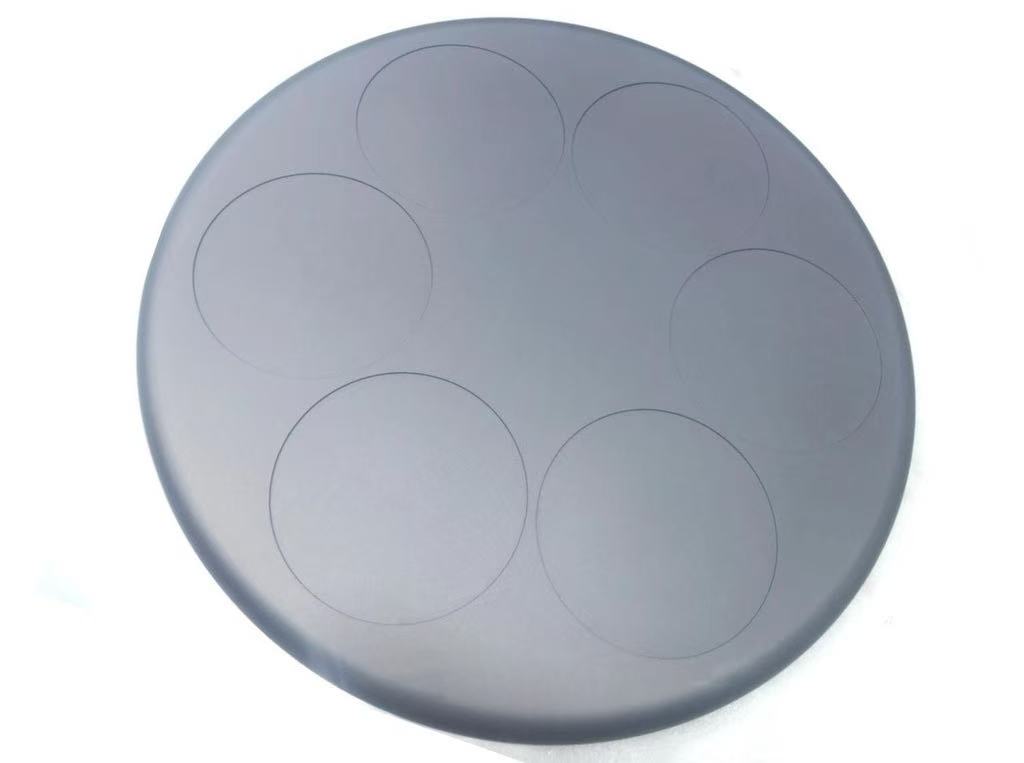
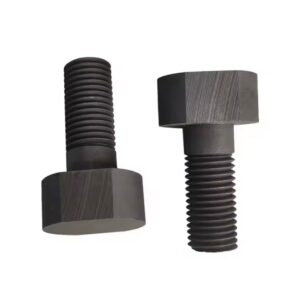
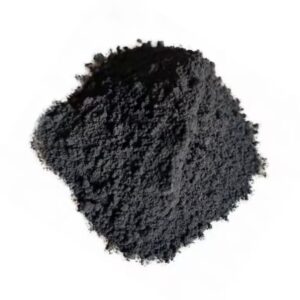
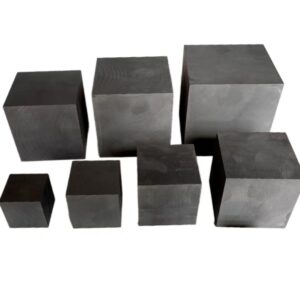
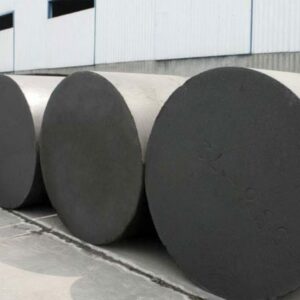
Generally, silicon carbide (SiC) coated graphite takes the form of the forms of blocks, plates or tubes, and has remarkable advantages.
Excellent high-temperature stability
It can remain stable within a wide temperature range of -200°C to 1600°C.
High surface hardness
This makes it an extremely excellent wear-resistant layer. It can reduce friction losses, extend the lifespan of equipment, and improve operational efficiency.
Stable chemical properties
It has strong tolerance to various chemical substances.
Strong oxidation resistance
You can use it as a high-temperature protective material and it is highly durable.
Excellent thermal conductivity
This enables it to conduct heat quickly, which is crucial in many high-temperature thermal management applications.
Good electrical conductivity
It can stably transmit current in high-temperature and corrosive environments, and is suitable for various conductive scenarios.
Uses of Silicon carbide coated graphite
In the metallurgical field
Silicon carbide coated graphite has strong corrosion resistance and can effectively protect the electrodes from damage. During the operation of metallurgical equipment, it faces high-temperature erosion, so you can use it for electrode protection. It can reduce the probability of equipment failure, and improve performance and stability.
In the field of energy
In high-temperature fuel cells
You can use it as bipolar plates to separate the fuel and oxidant, collect and conduct electricity. And it support the membrane electrode, ensuring the long-term stable power generation of the battery.
In nuclear industrial equipment
Because of the radiation resistance and chemical stability, you can use it as structural components or protective materials for nuclear reactors. It can help enhance the safety and stability of nuclear equipment operation.
In the chemical industry
It can be used as an ideal coating material for the inner lining of reaction vessels and heat ex-changer pipelines. Because of the chemical inertness, it can isolate the source of corrosion, protect the equipment base. And at the same time, you can utilize its thermal conductivity to achieve uniform temperature control of the medium. Using it to the electrode surface of an electrolytic cell can enhance the stability of the electrode in a high-temperature. This can enhance the efficiency of electrolysis and the quality of the product.
In the machinery industry
Producing wear-resistant components
Because of the excellent hardness, wear resistance and high-temperature stability, it can be made into metallurgical rollers and wear-resistant liners. And you can widely use it for the wear protection of equipment, pipes, valves and other components in industries. It can reduce component wear and extending replacement cycles.
Protective layer for high-temperature molds
With the high-temperature resistance and anti-adhesion properties, it can reduce mold wear, improve molding accuracy and efficiency.

 HI
HI  EN
EN  RU
RU  TR
TR  FR
FR  DE
DE  KO
KO  UK
UK  JA
JA  PT
PT  CEB
CEB  AZ
AZ  BN
BN  VI
VI  ES
ES  ES_ES
ES_ES  ID
ID  IT
IT  ES_AR
ES_AR  AR
AR  KK
KK  EL
EL  ZH
ZH  FA
FA  NL
NL